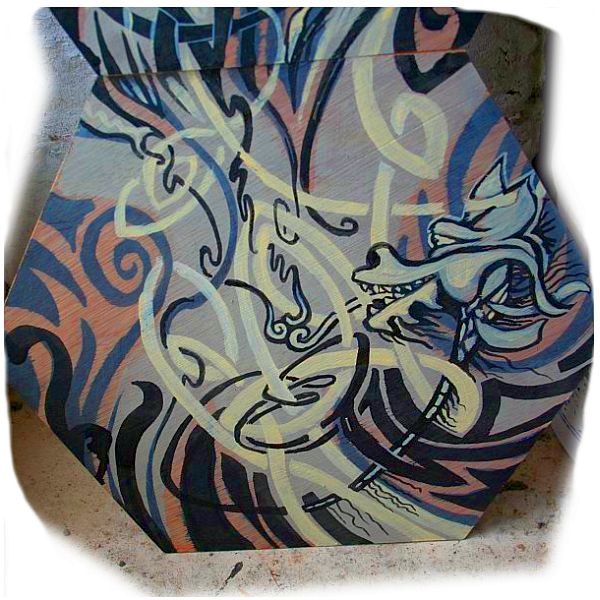
Although two seasons have passed since my shelter was dismantled, the experience continues to inform my work. The tumbling of the sky over the land, the scouring by rainwater, and the exposure of rock and buried peat all contribute to the way the composition forms itself.
It's haymaking time just now, and the patterns of the hay meadows are accentuated as the hay is cut, dried, turned and bailed. The sun early in the morning and late in the evening floods over the fellsides, picking out the drama and tensions between the wild gills, the tamed meadows and the drystone walls that separate them.
the wild studio experience - in the early spring of 2010, I made a shelter for observing, drawing and making artwork, high up on the fellside behind my North Pennines home in England's north. Since that time I've tried exploring other landscapes with a similar immersion in their environments. This (b)log describes my progress and some other works.
Showing posts with label seasons. Show all posts
Friday, 15 July 2011
still learning
Labels:
natural forces,
nature/culture,
North Pennines,
seasons,
visual art
Wednesday, 2 February 2011
dismantled
The mantle of my shelter has been removed. Presumably by a 'keeper in preparation for a passing shooting party - it would be unseemly for the landscape to be scarred by signs of shanty habitation. The season finished yesterday, so the shelter lasted well. Even the stones from around the firepit have been removed. The bigger posts of wood have been laid on top of the brash to weigh it down. The earth walls have been kicked away. I felt cut free. I've been wondering over the fellsides ever since, looking for somewhere else to set-up when the spring brings easier weather.
I've been digging out bits of clay and peat (very tiny bits) that have been exposed by the flush of meltwater, drying them, mixing with PVA, and using them to make images like this one. As it happens, this also includes a photo of an exposed rock-face and some branches.
Other bits I've brought back down from the shelter, like this wool and lichen, and the piece of birch-bark below.
I've learnt so much from this experience, although I fear that I'll forget some. Writing this blog may help me to remember. Most importantly, I've learnt so much about where to site a shelter and how to construct it. Rough wooden shelters are no good for the winter. This is no place for beast or human habitation.
![]() |
| earthslice |
Other bits I've brought back down from the shelter, like this wool and lichen, and the piece of birch-bark below.
I've learnt so much from this experience, although I fear that I'll forget some. Writing this blog may help me to remember. Most importantly, I've learnt so much about where to site a shelter and how to construct it. Rough wooden shelters are no good for the winter. This is no place for beast or human habitation.
Monday, 3 January 2011
frozen out
![]() |
| snow remnants |
![]() |
| Dragonade: Rolling Minstrels |
In the next three months I shall use the images and material that I've harvested from the site over the year to create, assemble and curate an exposition for display and/or publication.
![]() |
| Supine Earth; Rolling Minstrels |
Labels:
earth,
human relationships,
myths,
nature/culture,
reflection,
seasons,
visual art
Monday, 18 October 2010
Hunters' Moon
The lunar cycle seems so fast; here we are approaching another full moon, the Hunters' Moon. The guns have been out several times around the shelter, and the path has been used by more than me. Grouse bubble in the heather above the gill, and closer to the road, pheasant shriek and start and dash about in perplexity.
The winds have continued to tease the shelter's covering, and I've spent more time in trying to ameliorate their effect than in making new work. That said, it's a ripe and abundant time for experiencing the visual world and trying to make some sense of it..
As autumn rolls on, new life feeds on the old and dying. Transformations continue and the adaptive cycle is in full evidence. This skeletal tree pierces the sky with a heroic defiance for now, but it might not be long before the sky brings a wind that will break it, returning the wood to the earth and her insect armies.
The winds have continued to tease the shelter's covering, and I've spent more time in trying to ameliorate their effect than in making new work. That said, it's a ripe and abundant time for experiencing the visual world and trying to make some sense of it..
As autumn rolls on, new life feeds on the old and dying. Transformations continue and the adaptive cycle is in full evidence. This skeletal tree pierces the sky with a heroic defiance for now, but it might not be long before the sky brings a wind that will break it, returning the wood to the earth and her insect armies.
Labels:
adaptation,
earth,
natural forces,
seasons,
visual art
Monday, 6 September 2010
sycamore down
Approaching the shelter this morning, I was wondered if anything new could happen. This exercise was getting a bit too familiar and I wanted to be surprised. I was not disappointed. The severe gusts of overnight wind had overpowered the dying sycamore to which one end of the hammock was attached. It was felled, breaking one of the hammock's beech braces and severing the rope.
It's provided me with some useful wood to saw, to hew, scorch and burn. The immediacy of this natural catastrophic event is exactly why I've made this wild studio. However, it's a distraction at the moment. As the season changes to late summer and impending autumn, I want to record the way that the gill itself changes from its highest point to its confluence with the South Tyne. I'm doing this through photographs and drawings, and I'm expecting it to provide the most meaningful content.
Subscribe to:
Posts (Atom)